UK Operators' Token Rotation Protocols: How Promo Code Cycles Align Casino Spin Packages with Niche Market Odds Enhancements for Consistent Portfolio Adjustments
Vera Hansen · Jun 19, 2026
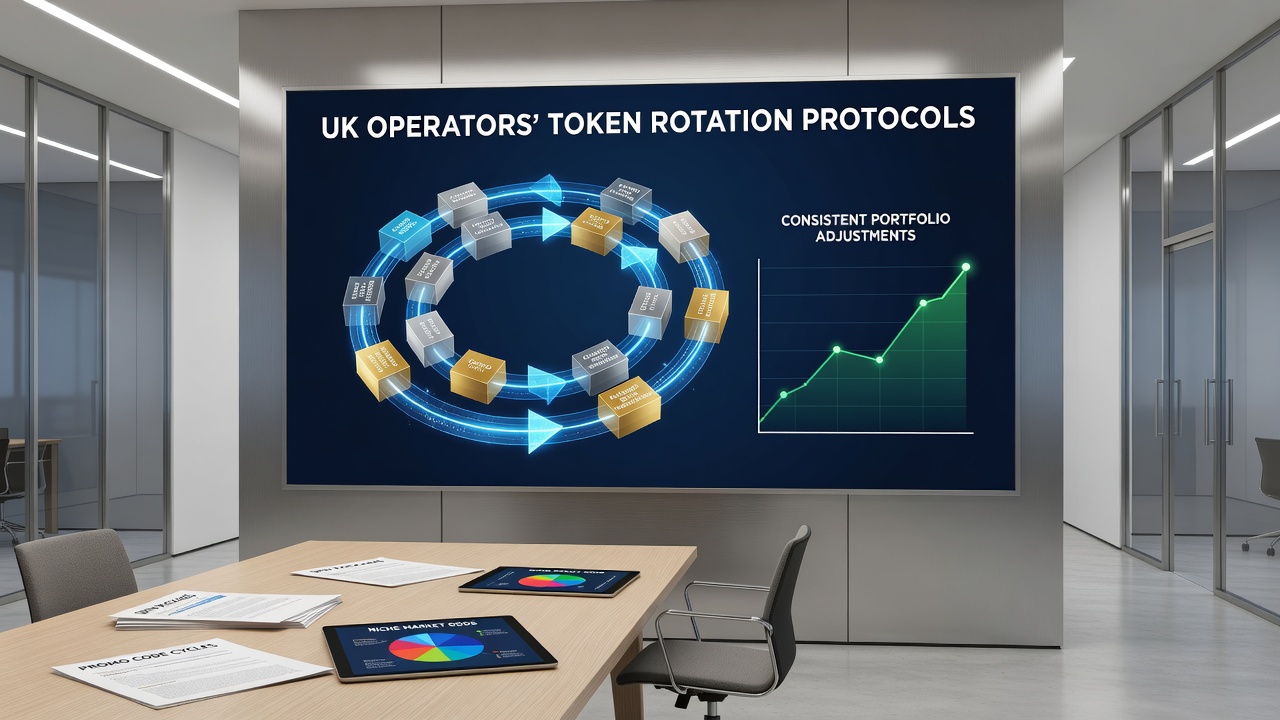
UK Operators' Token Rotation Protocols: How Promo Code Cycles Align Casino Spin Packages with Niche Market Odds Enhancements for Consistent Portfolio Adjustments
UK operators have developed token rotation protocols that cycle promo codes through structured sequences, and these sequences connect casino spin packages directly to targeted odds enhancements in niche markets so that portfolio adjustments stay consistent over time. The process begins when operators issue time-limited tokens that unlock free spins on specific slot titles, then shifts those same tokens toward markets such as lower-division football or emerging esports events where odds margins can be recalibrated without disrupting core offerings.
Mechanics of Token Rotation Protocols
Token rotation works through automated systems that track redemption rates and redistribute unused codes across different verticals, while operators monitor player engagement data to decide when a casino-focused token should transition into a sports betting incentive. This rotation prevents token accumulation in any single product area, and it allows firms to refresh promotional inventory on weekly or bi-weekly schedules that align with fixture lists or game releases. Data from industry reports shows that rotation frequency increased notably during the first half of 2026, with several major platforms adjusting their cycles to accommodate summer tournament calendars.
Promo Code Cycles and Casino Spin Integration
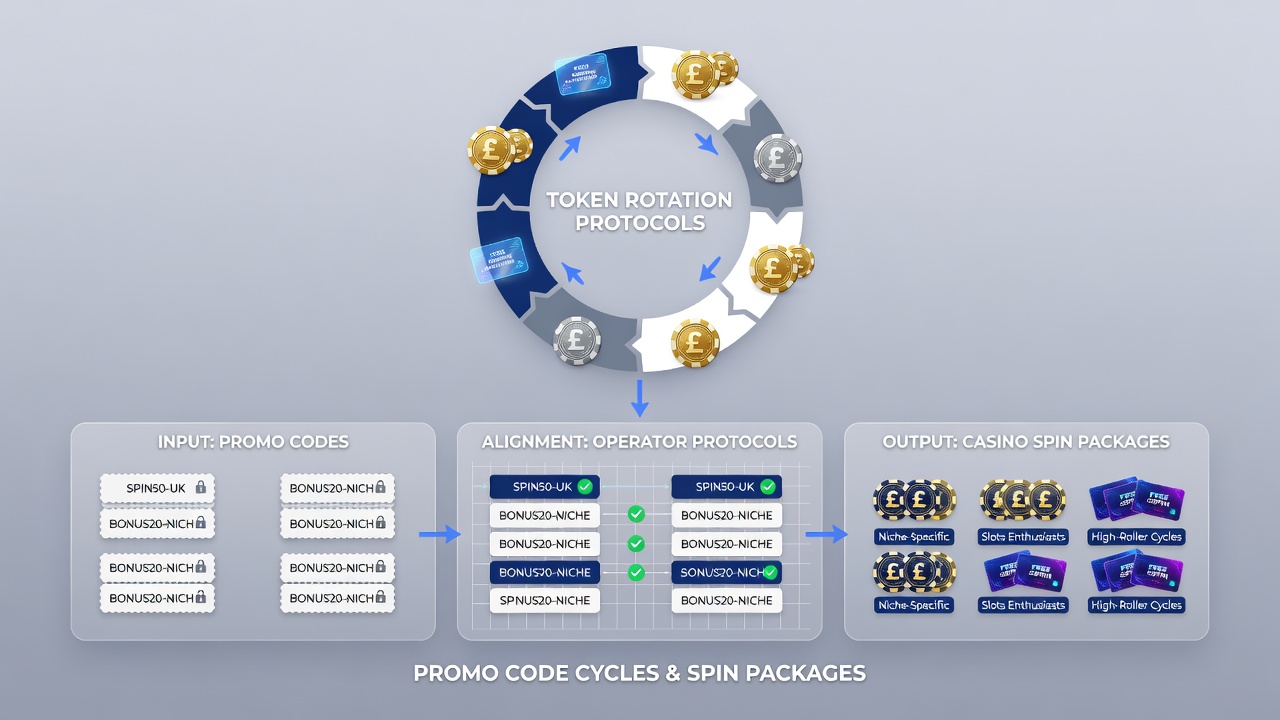
Promo code cycles operate on fixed calendars that release batches of codes tied to casino spin packages, and each batch carries conditions that direct players toward games with adjustable RTP settings. Operators link these cycles to backend controls so that spin volumes can be scaled up or down depending on concurrent betting activity in selected niches. When a code cycle enters its final phase, remaining tokens often convert into enhanced odds on low-volume markets such as virtual greyhound racing or international table tennis events, which helps balance overall exposure across the portfolio.
One study released by the European Gaming and Betting Association examined rotation patterns across multiple jurisdictions and found that synchronized code cycles reduced promotional overlap by approximately 18 percent compared with earlier static models. The same research noted that operators achieved steadier revenue distribution when casino spins fed directly into niche odds adjustments rather than remaining isolated within gambling verticals.
Alignment with Niche Market Odds Enhancements
Niche market odds enhancements receive the rotated tokens once casino spin activity reaches predetermined thresholds, and the transfer occurs through conditional triggers embedded in the operator's risk-management software. These enhancements typically appear in markets that attract smaller but consistent betting volumes, allowing firms to maintain competitive pricing while controlling liability. In June 2026 several platforms introduced new triggers that automatically boosted odds on county cricket spread markets whenever spin redemptions exceeded daily targets, creating a direct pipeline between the two product types.
Operators further refine alignment by segmenting player cohorts according to historical behavior, so tokens that appeal to high-volume casino users route toward odds features those same users have engaged with previously. This segmentation keeps portfolio adjustments precise and limits the need for broad price changes that could affect headline markets.
Portfolio Adjustments Through Synchronized Cycles
Consistent portfolio adjustments emerge when token rotation protocols link casino spin packages to niche odds in repeatable patterns, and these patterns allow operators to rebalance exposure without manual intervention on every cycle. Figures from regulatory filings in multiple regions indicate that platforms employing synchronized cycles maintained steadier hold percentages across both gambling and betting arms during the spring and early summer periods of 2026. The adjustments occur at the account level as well, with individual player limits recalibrated in real time to reflect the current token status and associated market exposure.
Additional safeguards include automated alerts that flag when rotation velocity deviates from expected ranges, giving compliance teams time to review before adjustments finalize. Such systems have become standard across larger UK-facing operators because they support both regulatory reporting requirements and internal risk controls without interrupting player-facing promotions.
Conclusion
Token rotation protocols continue to evolve as operators refine the connections between promo code cycles, casino spin packages, and niche market odds enhancements. The result is a framework that supports ongoing portfolio adjustments through automated, data-driven sequences rather than isolated campaigns. Observers tracking these developments note that the approach has become more integrated since the updates observed in June 2026, with rotation mechanics now serving as a central mechanism for balancing diverse product lines across the UK market.