Regulatory Frameworks Shaping Minimum Odds Thresholds for UK Bonus Access in Combined Market Wagers
Rosa Flores · Jul 22, 2026
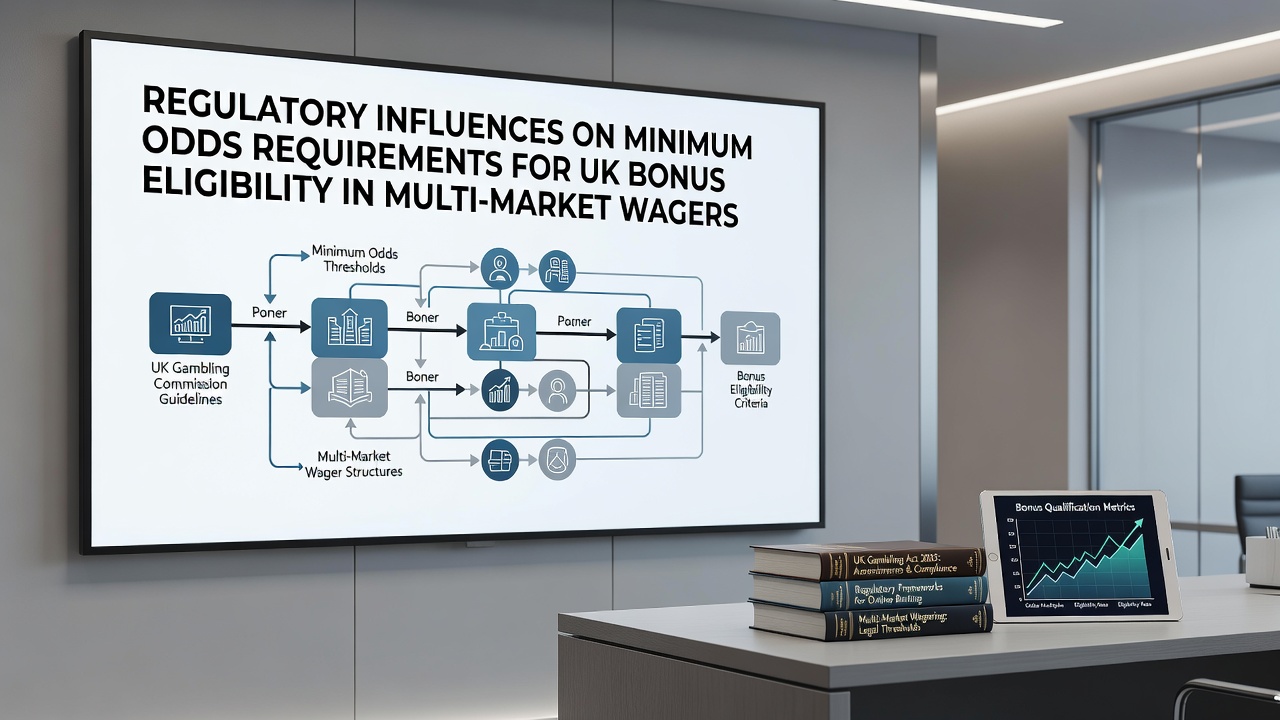
Regulatory Frameworks Shaping Minimum Odds Thresholds for UK Bonus Access in Combined Market Wagers
Regulatory bodies across various jurisdictions have introduced standards that directly influence how UK operators structure bonus offers tied to multi-market wagers, and these rules often specify minimum odds thresholds that determine eligibility. Operators must align promotions with broader compliance expectations, which means accumulators spanning football, tennis, and horse racing face stricter criteria when free bets or enhanced returns become available. Data from industry reports indicates that such requirements emerged to balance consumer protection with market integrity, while operators adjust their systems to ensure every leg of a multi-market bet meets the prescribed odds floor.
Core Mechanisms Behind Odds Requirements
Minimum odds rules function as gatekeepers for bonus claims, and they typically mandate that each selection in a combined wager exceeds a set level such as 1.5 or 2.0 depending on the promotion type. This approach prevents operators from offering bonuses on low-risk, low-odds selections that could otherwise dilute promotional value, and it encourages punters to build wagers across diverse markets while staying within regulatory boundaries. Observers note that these thresholds create ripple effects because a single leg falling short can disqualify the entire accumulator from bonus activation, forcing strategic adjustments in how bettors select and combine events.
Studies conducted by academic institutions reveal patterns where tighter odds floors correlate with reduced bonus uptake in certain accumulator formats, and this data comes from analyses of betting behavior across European and North American markets. The Alcohol and Gaming Commission of Ontario has published comparative findings on similar threshold policies, showing that clear minimums help standardize offerings and reduce disputes over eligibility. Those findings demonstrate how UK platforms incorporate parallel structures even though local frameworks differ, resulting in consistent application across multi-market promotions.
Effects on Accumulator Construction and Market Variety
When minimum odds apply across all legs, punters often shift toward higher-variance selections in secondary markets such as player props or half-time outcomes, and this shift occurs because safer favorites frequently sit below the required threshold. Bookmakers respond by highlighting eligible events in their interfaces, which streamlines the process for users constructing complex wagers. Research indicates that this dynamic has increased engagement with less traditional markets while operators maintain compliance through automated checks that flag non-qualifying combinations before bets are placed.
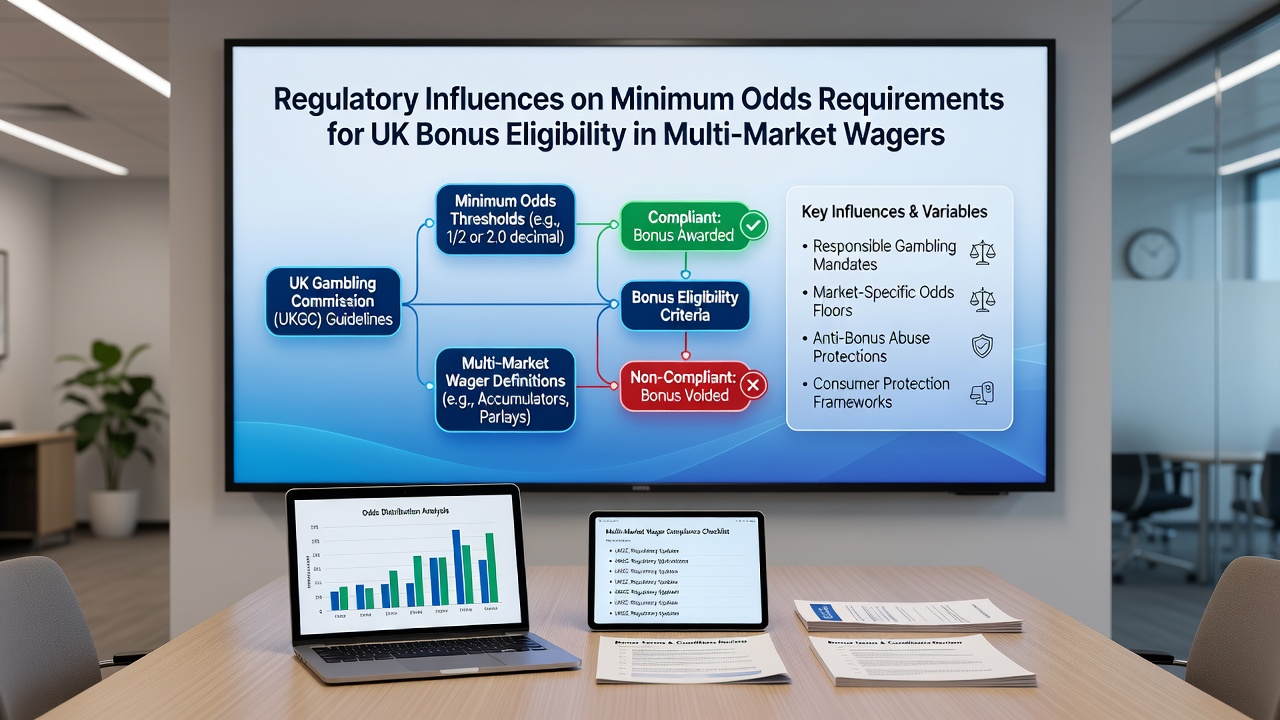
Multi-market wagers involving live and pre-match elements face additional layers of scrutiny because odds can fluctuate after initial placement, and regulators expect operators to lock in eligibility at the time of bet acceptance. This requirement adds operational complexity yet ensures transparency for users who combine markets across different sports or time frames. Figures from responsible gambling organizations show that clear disclosure of these rules correlates with higher trust levels among participants who regularly use bonus-enhanced accumulators.
Developments Anticipated Around Mid-2026
Policy discussions underway suggest that further refinements to minimum odds criteria could take effect by July 2026, particularly for promotions that span multiple jurisdictions or involve cross-border operators. These potential updates would require enhanced reporting on how thresholds influence wager composition, and they aim to address emerging patterns in accumulator usage that current rules do not fully cover. Industry associations have contributed data to these conversations, highlighting the need for harmonized standards that maintain flexibility for operators while protecting bonus integrity.
Analyses from university-led gambling studies project that any 2026 adjustments will likely emphasize real-time verification tools, allowing systems to confirm odds compliance instantly across live markets. Such tools would reduce manual reviews and support faster resolution of bonus claims, which benefits both platforms and users engaged in multi-market strategies. Evidence from pilot programs in other regions supports the effectiveness of these verification methods in maintaining consistent application of odds requirements.
Conclusion
Regulatory influences on minimum odds continue to define the parameters for UK bonus eligibility in multi-market wagers, shaping both operator practices and punter behavior through structured thresholds and verification processes. As frameworks evolve toward 2026, operators will likely refine their systems further to accommodate new reporting demands while preserving promotional appeal across diverse betting markets. These ongoing adjustments reflect broader efforts to align bonus structures with compliance expectations drawn from multiple regulatory perspectives.