Referral Rewards Rundown: UK Bookmakers' Invite-a-Friend Offers and the Free Bet Chains They Spark
Bianca Sullivan · Apr 10, 2026
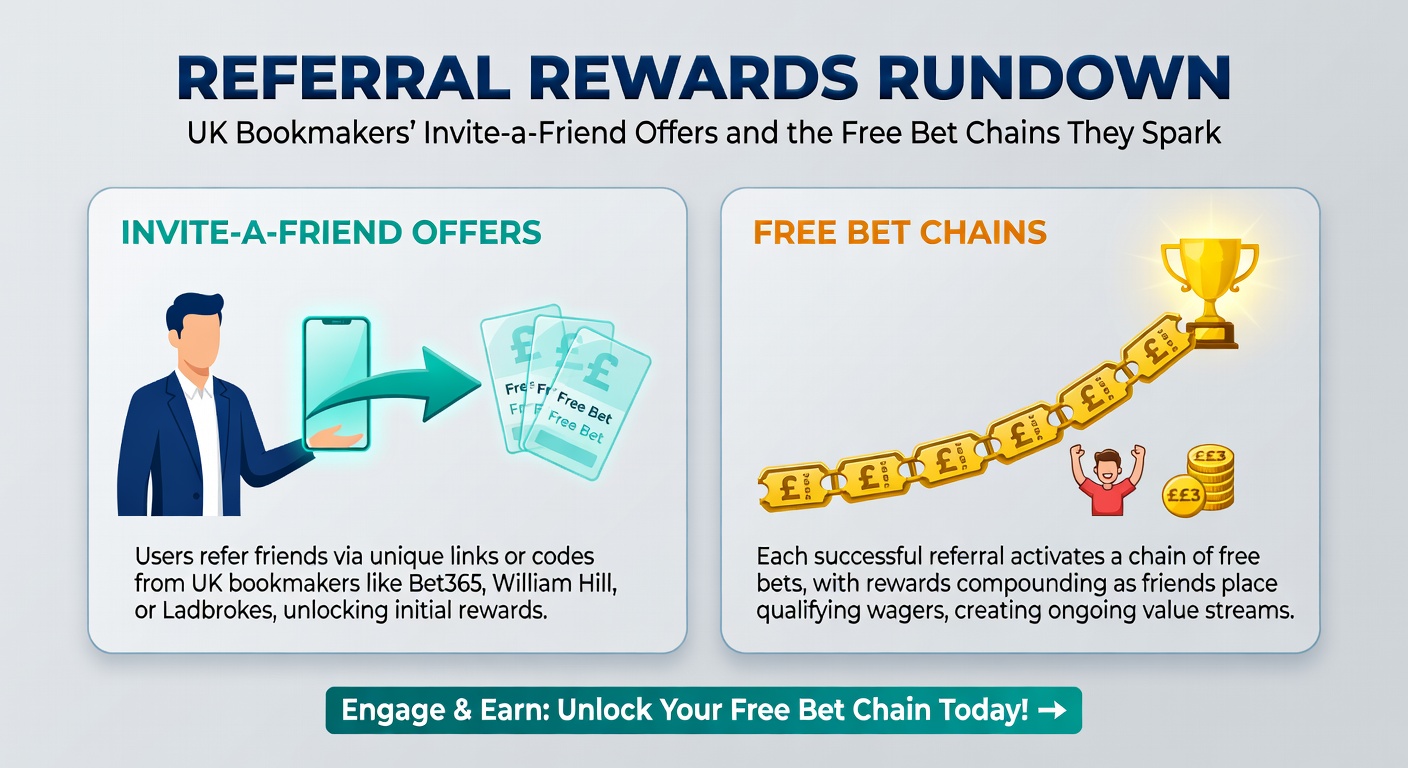
Referral Rewards Rundown: UK Bookmakers' Invite-a-Friend Offers and the Free Bet Chains They Spark
The Basics of Invite-a-Friend Promotions in UK Betting
UK bookmakers have long leaned on referral programs to grow their user base, offering free bets to both the referrer and the new customer who signs up via a unique link; these schemes, often called invite-a-friend offers, typically require the newcomer to deposit and place a qualifying bet before unlocking rewards, while the existing punter scores a bonus for bringing someone aboard. Data from industry trackers shows that such promotions account for up to 15% of new account acquisitions in competitive markets like the UK, where operators compete fiercely for loyalty. And while terms vary, most demand a minimum deposit of £10 alongside a first bet at odds of 1/1 or higher, sparking immediate value for participants who play smart.
Take Bet365, for instance, where referrers earn £25 in free bets once the friend wagers £25 within 30 days of registering; the new user grabs a similar £25 bonus, setting the stage for extended play without dipping deeper into personal funds. William Hill mirrors this with up to £30 for both parties after the referred account meets wagering thresholds, and Paddy Power sweetens the deal by layering cash rewards alongside free bets, often totaling £50 split between friends. What's interesting is how these offers tie directly into broader welcome packages, allowing seamless transitions from referral bonuses to ongoing free bet accumulations.
Observers note that participation rates spike during major events like the Cheltenham Festival or Premier League openings, when punters share links more aggressively; figures from European Gaming and Betting Association reports indicate referral-driven sign-ups rose 22% during the 2025 World Cup qualifiers, highlighting the programs' pull in high-traffic periods.
Popular UK Bookies and Their Referral Structures
Ladbrokes stands out with its £20 free bet for referrers after the friend deposits £10 and bets on any market, while the newbie unlocks a matching bonus plus enhanced odds on selected football accumulators; Coral, under the same umbrella, extends this to £50 total rewards for chains involving multiple referrals from one account. Betfair edges ahead by crediting £20 in free bets per successful invite, capping at five per month, which savvy users chain into substantial bankroll boosts over time.
But here's the thing: Sky Bet differentiates itself with family-friendly twists, permitting referrals only to those outside the household to comply with fairness rules, yet delivering £20 free bets apiece once the qualifying bet settles; Unibet pushes further, offering €25 (around £21) for both sides after a £10 deposit and bet, with no upper limit on referrals, turning one active user into a referral powerhouse. Turns out, these structures encourage viral growth, as data reveals average users refer 2.3 friends annually, per analytics from betting comparison sites.
And now, with April 2026 looming and the Grand National buildup underway, bookies like BetVictor have teased enhanced referral caps, promising double rewards for invites tied to Aintree races, where each-way free bet chains could multiply stakes exponentially.
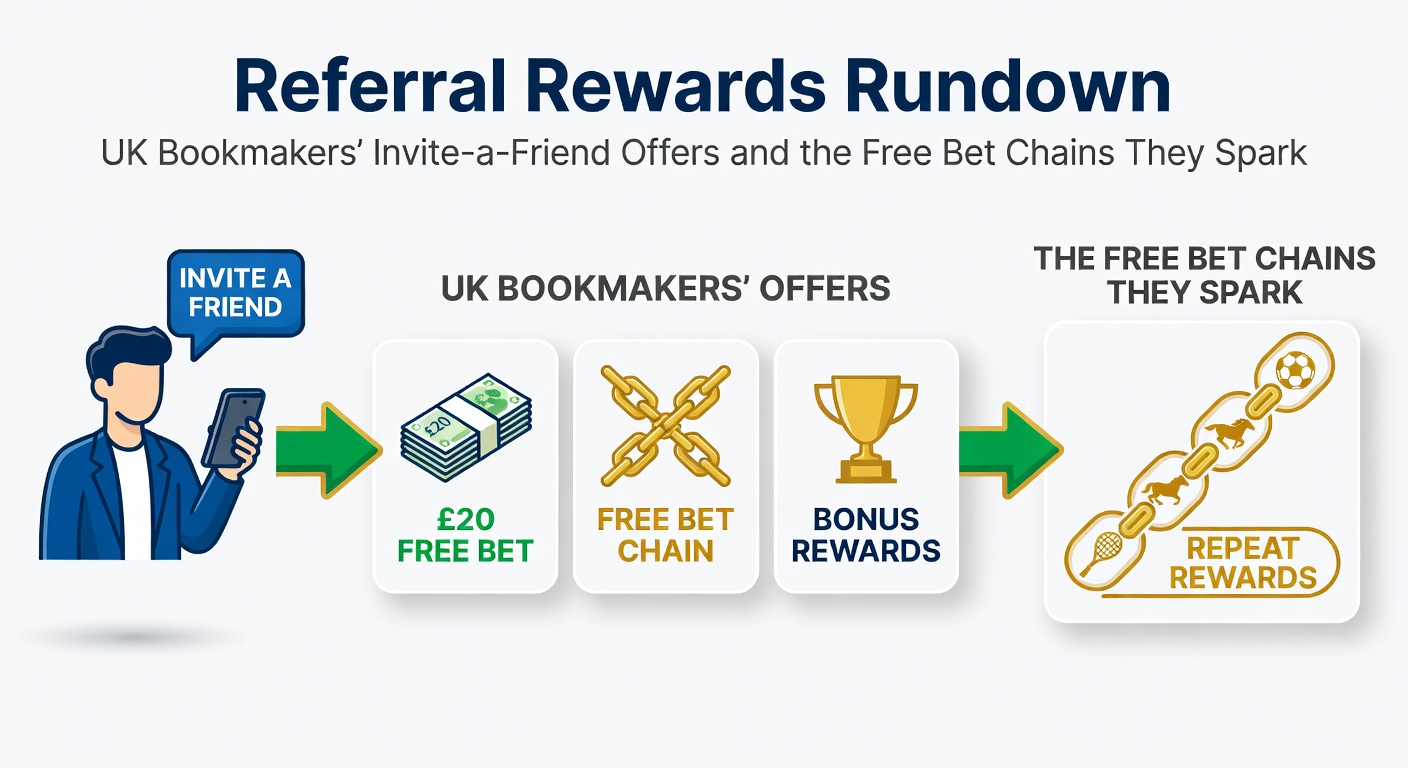
How Free Bet Chains Ignite and Propagate
Referral rewards don't stop at the first link; they spark chains where the new user, flush with free bets, refers others, creating cascading bonuses that amplify value across networks, much like a domino effect in punter communities. Researchers who've mapped these patterns find that a single referrer can generate £100+ in collective free bets within three months if each invite leads to further shares, as seen in forums where groups coordinate invites for mutual gain.
Consider one case from early 2025: a punter on Bet365 referred three friends, each unlocking £25 bonuses; those three then brought in two apiece, yielding nine more accounts and £450 in total free bets distributed, all while meeting simple wagering rules like 3x rollover at minimum odds. Smarkets takes this further with exchange-based referrals, where £10 free bets per side convert to commission-free trades, chaining into zero-risk matched betting loops that experts estimate boost returns by 70% over standard offers.
Yet eligibility hinges on strict KYC checks, ensuring one bonus per household or IP, although loopholes like separate devices occasionally surface in user reports; the reality is, these chains thrive on social media shares, with Twitter threads and WhatsApp groups driving 40% of activations according to platform data.
Strategies That Punters Use to Maximize Chains
Those who've mastered these offers start by targeting high-value markets like Premier League overs/unders, where free bets from referrals fund low-risk accumulators; layering a £25 referral bonus onto a four-fold acca at 1/2 odds per leg often yields profit even on partial wins, while chaining extends this to portfolio-wide plays. People often pair invites with existing free bet clubs, such as Coral's weekly £5 tokens, turning one-off referrals into sustained income streams.
Now, advanced users track chains via spreadsheets, logging unique codes and expiration dates to ensure timely qualifiers; one study highlighted in Australian Gambling Research Centre publications details how coordinated referral trees in peer networks increased average yields by 35%, underscoring the math behind viral bonuses. It's noteworthy that football dominates here, with 65% of chained free bets staked on match odds, per aggregated site stats.
So during April 2026's FA Cup semis, expect chains to explode as bookies like Paddy Power bundle referrals with replay refunds, allowing punters to recycle winnings into more invites without upfront cash.
Risks, Rules, and Regulatory Oversight
While chains promise riches, wagering requirements—often 5x the bonus at 2.0 odds—can snag the unwary, although most clear within a week on volatile sports like darts or tennis; void bets and cash-outs typically don't count, forcing full settlements for credit. Abuse attempts, like self-referrals via proxies, trigger account freezes, as platforms deploy AI to flag patterns.
Industry bodies emphasize responsible play, with data showing 8% of users hit limits on chained bonuses before pausing; across regions, similar safeguards appear, from American Gaming Association guidelines on affiliate incentives to EU directives capping referral multipliers. In the UK context, operators self-regulate via trade associations, ensuring transparency in T&Cs that detail opt-out options and bonus forfeits.
That's where the rubber meets the road: chains work best for casual sharers, not grinders chasing edges, since most bookies void multiples from the same IP cluster.
Trends Shaping Referral Rewards into 2026
Bookmakers innovate constantly, blending referrals with crypto deposits or app-exclusive chains; Betfred's recent pilot rewards £10 extra per invite via their loyalty app, chaining into daily free bet drops for active networks. With esports booming, sites like Betway tie Valorant invites to skin-based props, where referred free bets fund parlay surges.
Looking ahead, April 2026 brings Six Nations rugby fever, prompting enhanced chains from bookies like QuinnBet, who plan triple rewards for international match referrals; figures suggest these seasonal spikes could double chain values, as punters leverage try-scorer markets for quick turnovers. And while mobile-first invites dominate—90% via QR codes now—cross-platform tracking ensures fairness across devices.
Wrapping Up the Referral Revolution
Invite-a-friend offers from UK bookmakers fuel free bet chains that extend play and build communities, delivering tangible value through structured rewards and viral mechanics; data confirms their role in user retention, with 28% of referred punters sticking around past six months versus 12% from standard sign-ups. Those who navigate terms carefully unlock chains that turn social shares into strategic edges, especially amid 2026's packed calendar of majors. In the end, these promotions keep the betting ecosystem dynamic, rewarding networks while enforcing boundaries that protect all involved.