Referral Networks Drive Growth: UK Operators Design Signup Chains for Emerging Market Expansion
Vera Hansen · Jul 29, 2026
Referral Networks Drive Growth: UK Operators Design Signup Chains for Emerging Market Expansion
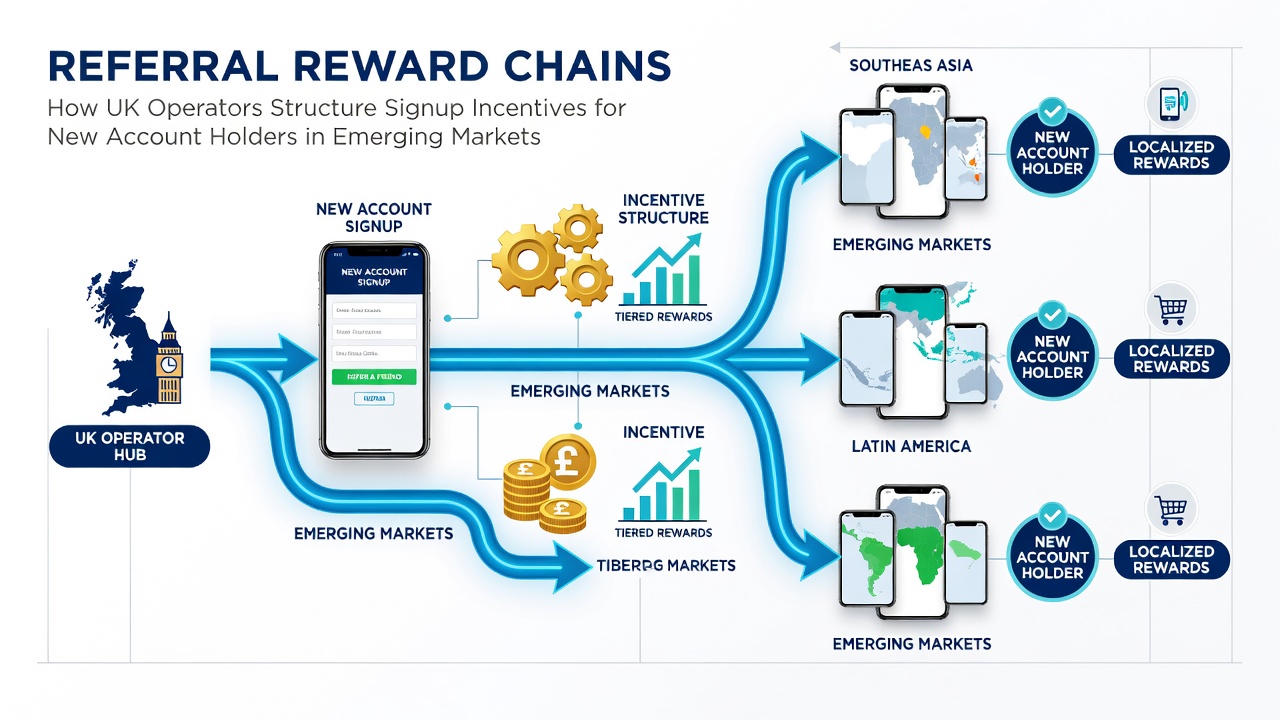
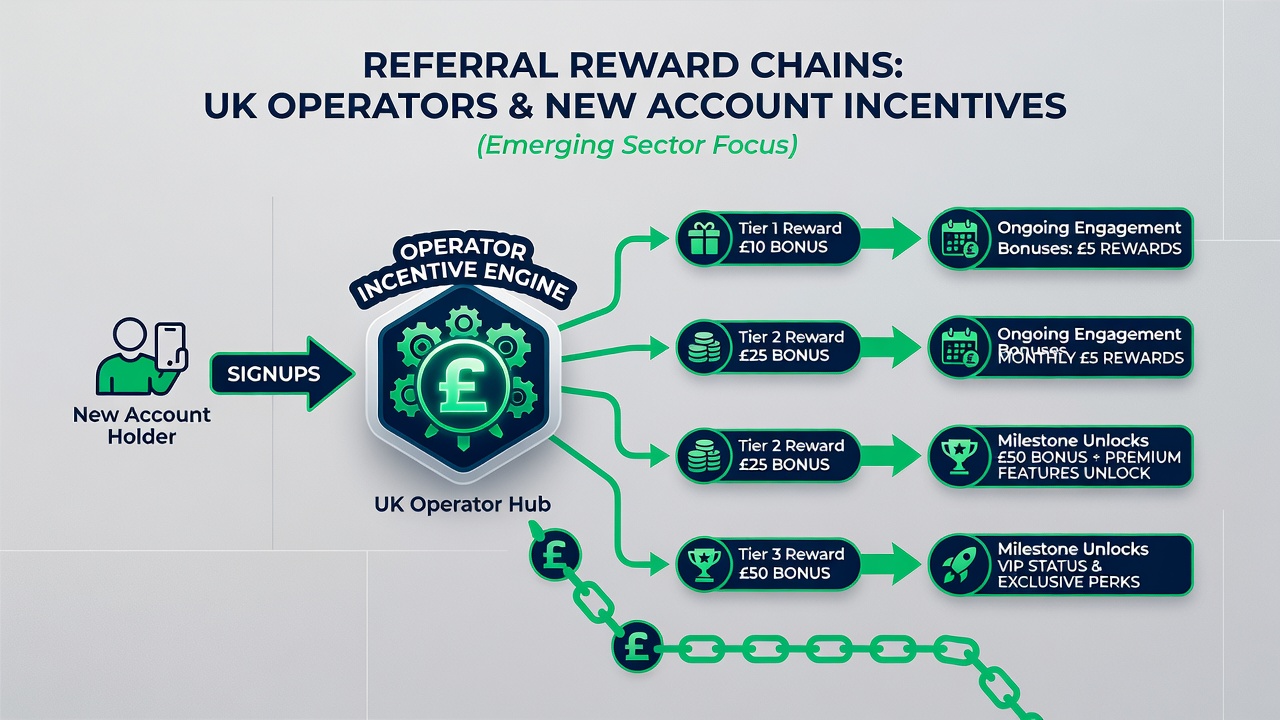
Referral reward chains operate as structured sequences where existing account holders invite new users and both parties receive layered incentives upon successful registration and initial deposits. UK operators active in regions such as Southeast Asia, Latin America, and parts of Africa implement these systems to accelerate user acquisition while complying with local licensing rules that often differ from domestic standards. Data from industry reports indicate that such chains typically begin with a base signup bonus for the new account holder followed by escalating rewards for the referrer based on the number of successful conversions.
Core Mechanics of Chain Structures
Operators set up multi-tier frameworks where the first referral triggers a fixed credit for both parties, yet subsequent invites unlock higher percentages or cash amounts once the new user completes a minimum wagering threshold. This approach encourages ongoing participation rather than one-off signups, and analysts note that chains frequently cap at five or six levels to prevent abuse through fake accounts. Research from academic institutions shows that operators monitor chain integrity through IP tracking and device fingerprinting to maintain compliance across jurisdictions with varying data protection requirements.
Regional Adaptations in Emerging Markets
In markets like Brazil and Nigeria, UK firms adjust referral amounts to align with local currency values and average deposit sizes, which means bonuses often appear smaller in sterling terms yet remain competitive locally. Mobile-first designs dominate because smartphone penetration drives most new registrations, and operators integrate referral links directly into messaging apps popular in those areas. A case study from one operator revealed that chains linked to football betting promotions in these regions produced higher conversion rates than standalone welcome offers during major tournaments.
What's interesting here is how operators balance incentive generosity against risk management, since emerging markets sometimes impose stricter rules on bonus advertising than established European markets. Figures from trade associations indicate average referral chain completion rates hover around 35 percent when operators include step-by-step progress trackers within the app interface.
Regulatory Considerations Across Borders
Operators must navigate licensing bodies outside the UK, such as those in the EU and Canada, where rules on player acquisition incentives continue to evolve. European Gaming and Betting Association reports highlight that transparent disclosure of chain terms helps firms avoid penalties when expanding into new territories. Meanwhile, studies from Canadian research centers emphasize the need for age verification at every link in the chain to prevent underage participation, a requirement that adds technical complexity for operators managing global user bases.
July 2026 saw several UK platforms update their referral interfaces to include real-time compliance checks that flag potential violations before bonuses activate. These updates followed guidance from international bodies focused on responsible gambling practices in developing economies, where rapid market growth sometimes outpaces local regulatory capacity. Observers note that successful chains incorporate educational pop-ups reminding users of wagering requirements and time limits attached to each reward tier.
Technology and Tracking Systems
Backend systems rely on unique referral codes combined with blockchain-style ledgers in some implementations to record every conversion without duplication. This technology allows operators to audit chains efficiently when disputes arise over who qualifies for multi-level payouts. Industry data reveals that firms investing in automated fraud detection achieve 20 percent higher retention among genuine referrers compared with those using manual reviews alone.
Take one operator who integrated referral tracking with live odds feeds in emerging cricket markets; the combination produced measurable increases in both new signups and ongoing engagement. Such integrations demonstrate how chains extend beyond initial acquisition into sustained platform activity.
Conclusion
Referral reward chains continue to serve as key tools for UK operators seeking structured growth in emerging markets, with designs that adapt to local conditions while maintaining oversight through technology and cross-border regulatory awareness. Evidence from multiple sources shows these systems evolve alongside market maturity, incorporating feedback from user behavior and compliance updates to sustain long-term viability.