Real-Time Odds Disparities Between Platforms Shape Football Betting Tactics
Jordan Becker · Aug 21, 2026
Real-Time Odds Disparities Between Platforms Shape Football Betting Tactics
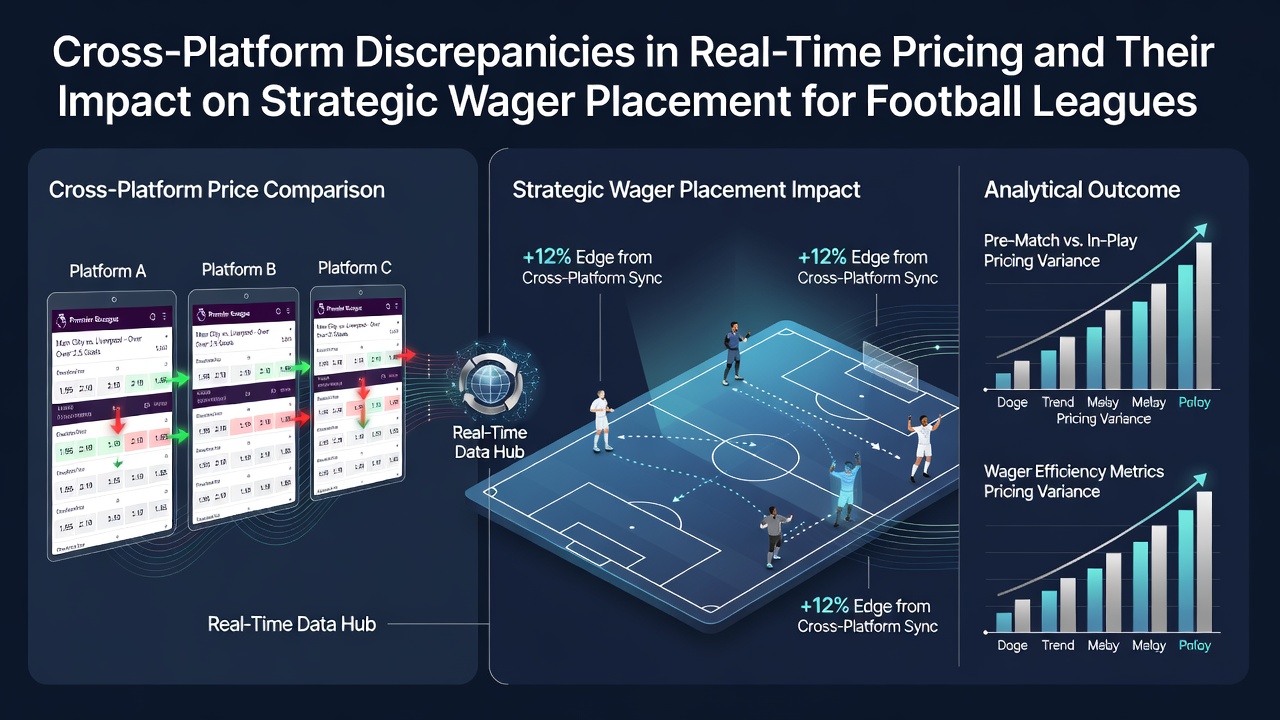
Football leagues generate constant shifts in real-time pricing across digital betting platforms, and those variations directly influence how bettors position wagers during matches. Data from multiple operators reveals that odds on the same event can differ by several percentage points within seconds, particularly during high-stakes fixtures in the Premier League or UEFA Champions League. Observers note that such gaps emerge because platforms adjust prices using distinct algorithms, risk models, and liquidity feeds, which creates opportunities for strategic placement when bettors monitor multiple sites simultaneously.
Origins of Pricing Differences in Live Markets
Bookmakers source data from various odds providers and apply their own margins, so the same goal-scoring market might appear at 2.10 on one platform while sitting at 2.25 on another during the same minute of play. Research indicates these discrepancies widen in August 2026 as new season fixtures begin, when volume spikes and automated systems recalibrate faster than manual traders can align. Those who track multiple interfaces report that smaller operators often lag behind larger ones by fractions of a second, allowing brief windows where value appears on underpriced selections. Industry reports from the American Gaming Association highlight how platform-specific promotions and liability caps further separate prices, because each site balances its own exposure rather than mirroring competitors exactly.
Effects on Strategic Wager Placement
Bettors adjust placement timing and stake distribution once they identify consistent gaps between platforms. One common approach involves splitting a single intended wager across two or three sites to capture the highest available price on each leg of an accumulator. Studies from the University of Sydney's gambling research unit show that participants who compare live prices in real time achieve higher average returns per unit staked compared with those who remain on a single platform. Yet the advantage depends on execution speed, because odds move quickly once significant money enters a market. Platforms that integrate faster data feeds tend to close gaps within thirty seconds, which forces bettors to decide whether to accept a slightly lower price or wait and risk missing the line entirely.
Technological Factors Driving Cross-Platform Gaps
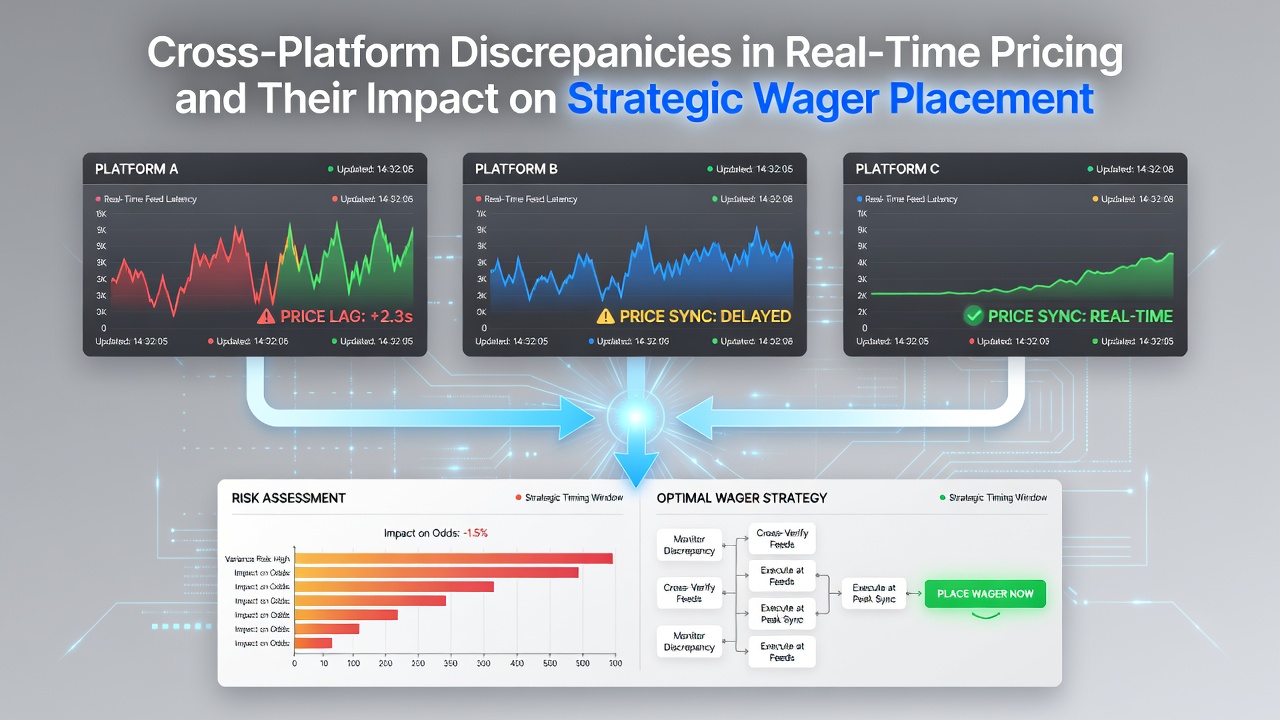
Automated trading systems at larger operators react to goal updates, red cards, and weather changes within milliseconds, while smaller platforms rely on delayed feeds or conservative buffers. This lag produces measurable differences in over-under totals and Asian handicap lines, especially in matches involving teams with volatile scoring patterns. According to figures released by the Australian Competition and Consumer Commission, regulatory scrutiny of pricing transparency has increased, prompting some operators to publish latency statistics that reveal how quickly their systems update. Bettors who maintain accounts across multiple jurisdictions can exploit these timing differences, though transaction fees and withdrawal limits sometimes offset the mathematical edge gained from price shopping.
Practical Examples from Recent Seasons
During a 2025 Champions League group stage match, one platform listed a draw outcome at 3.40 while two competitors offered 3.65 and 3.80 respectively in the opening fifteen minutes. Those monitoring all three sites placed portions of their stake on the higher lines before the market converged. Similar patterns appeared in Premier League weekend fixtures where live total goals markets diverged by 0.15 to 0.25 decimal points across major apps. Researchers at the Canadian Centre for Gaming Research documented that frequent comparison users adjusted their bet sizing based on the size of the observed discrepancy rather than fixed bankroll percentages, which altered overall session variance.
Regulatory and Market Responses
Authorities in several regions now require operators to maintain records of price changes, partly to ensure fair treatment of customers who rely on real-time data. These requirements have led some platforms to slow their adjustments deliberately, which ironically widens gaps with faster competitors. Industry groups such as the European Betting and Gaming Association track how such policies affect liquidity, noting that restricted operators sometimes post wider spreads to manage risk. Bettors therefore weigh regulatory differences between jurisdictions when deciding which platforms to keep active for live football markets.
Conclusion
Cross-platform pricing discrepancies continue to shape wager placement strategies in football leagues because each operator maintains independent risk controls and data pipelines. Those who systematically compare live odds across sites can identify value that single-platform users miss, yet success requires rapid decision-making and reliable access to multiple interfaces. As the 2026 season progresses, technological improvements and regulatory adjustments will likely influence how wide these gaps remain and how bettors incorporate them into ongoing strategies.