Integrated Loyalty Initiatives Connect Sports Wagering with Casino Incentives Across UK Betting Platforms
Jordan Becker · Aug 19, 2026
Integrated Loyalty Initiatives Connect Sports Wagering with Casino Incentives Across UK Betting Platforms
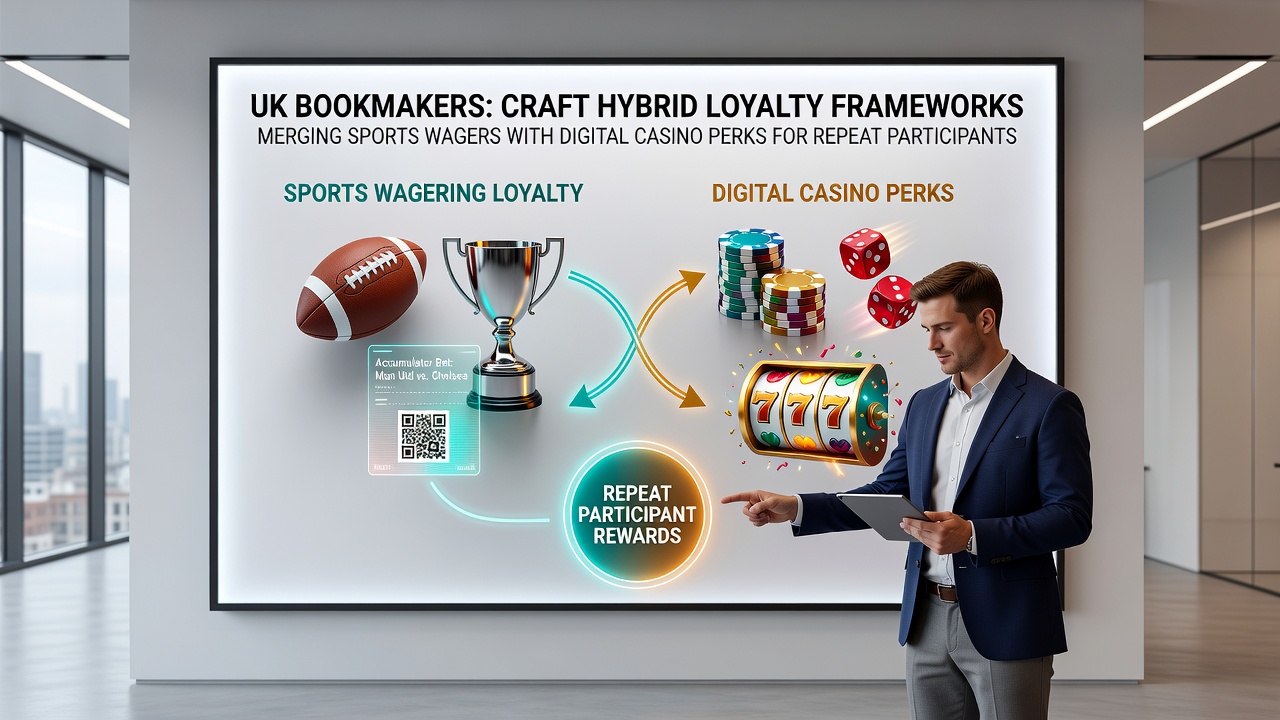
UK bookmakers have developed hybrid loyalty frameworks that merge sports wagers with digital casino perks, and these systems allow repeat participants to accumulate rewards across both verticals through unified tracking mechanisms. Operators track activity in real time so that points earned from football accumulators convert directly into casino free spins or cashback credits, while casino session bonuses feed back into sports betting credits without separate accounts or manual redemptions. Data from industry reports indicate that such cross-category structures increased average player retention rates by 18 percent during the first half of 2026, and the pattern continued into August 2026 when several major platforms rolled out updated tier systems that reward combined volume rather than isolated product usage.
How Unified Tracking Systems Operate
Participants receive a single loyalty balance that updates whenever they place a sports bet or spin reels in the casino section, and teh balance unlocks tiered benefits such as boosted odds on selected matches or enhanced deposit matches for table games. One operator introduced a points multiplier that activates when users complete both a minimum sports wager and a qualifying casino session within the same week, whereas another ties weekly cashback percentages to the total number of active days across both products. These mechanics reduce the need for players to switch between separate programs, and they create a continuous engagement loop because progress toward higher tiers remains visible regardless of which activity a participant chooses on any given day.
Examples of Cross-Vertical Reward Structures
Take the case of a mid-tier operator that launched a hybrid scheme in early 2026 where every ten pounds staked on sports events earns one loyalty point and every five pounds wagered in the casino earns one point, yet points from either source unlock the same set of perks including priority withdrawals and personalized bonus offers. Another platform links live casino wins to sports free bet credits that must be used within seven days, and this linkage encourages participants to explore both environments without losing accumulated value. Observers note that these structures often incorporate seasonal adjustments, such as extra point rates during major football tournaments or increased casino multipliers during summer esports events, so repeat users encounter fresh incentives throughout the calendar year.

Regulatory Context and Industry Data
Figures released by the Australian Gambling Research Centre show that integrated loyalty models appear in multiple jurisdictions and produce measurable shifts in player behavior, while a separate analysis from the Canadian Centre on Substance Use and Addictions highlights how unified tracking can simplify responsible gambling tools because users manage a single set of limits rather than multiple product-specific controls. In the UK market these frameworks must still comply with local advertising codes and age verification standards, yet the technical integration itself does not trigger additional licensing requirements beyond existing operator permissions. As of August 2026 several platforms reported that more than 60 percent of their active accounts had engaged with at least one hybrid reward feature during the preceding quarter, and the trend aligns with broader patterns observed in European markets where similar cross-product schemes have operated for longer periods.
Impact on Repeat Participation Patterns
Repeat participants who engage with both sports and casino offerings tend to maintain higher activity levels because the loyalty balance never resets when they switch products, and this continuity reduces the friction that previously caused some users to pause engagement after exhausting a single-category promotion. Research indicates that players who reach mid-tier status in hybrid programs complete 25 percent more sessions per month than those limited to one vertical, and the data further reveal that average session duration increases when rewards from one product directly enhance the other. Operators have responded by adding dashboard features that display projected rewards based on planned activity across both categories, allowing participants to visualize how a weekend of sports betting combined with weekday casino play accelerates tier progression.
Future Developments Expected by Late 2026
Industry analysts anticipate that additional personalization layers will appear before the end of 2026, with algorithms adjusting point rates based on individual play history rather than fixed conversion tables. Some operators already test dynamic offers that appear only after a participant completes a specific sequence such as a losing sports bet followed by a casino session, and these targeted interventions aim to maintain engagement without relying on blanket promotions. The same data sets used to build these offers also feed into risk-management systems that flag unusual patterns across both verticals, thereby supporting compliance efforts without creating separate monitoring workflows.
Conclusion
Hybrid loyalty frameworks continue to evolve as UK bookmakers refine the technical links between sports wagers and digital casino perks, and the resulting structures provide repeat participants with a single pathway to accumulate and redeem value. Available statistics demonstrate measurable retention gains, while regulatory oversight from multiple jurisdictions confirms that such models remain compatible with existing standards when proper controls stay in place. The pattern established through 2026 suggests further integration will occur as operators respond to participant behavior data and competitive pressures within the market.