Exploring Bonus Mechanics in Virtual Football Leagues: How UK Operators Adjust Promo Codes and Accumulator Structures for Simulated Season Outcomes
Rosa Flores · May 18, 2026
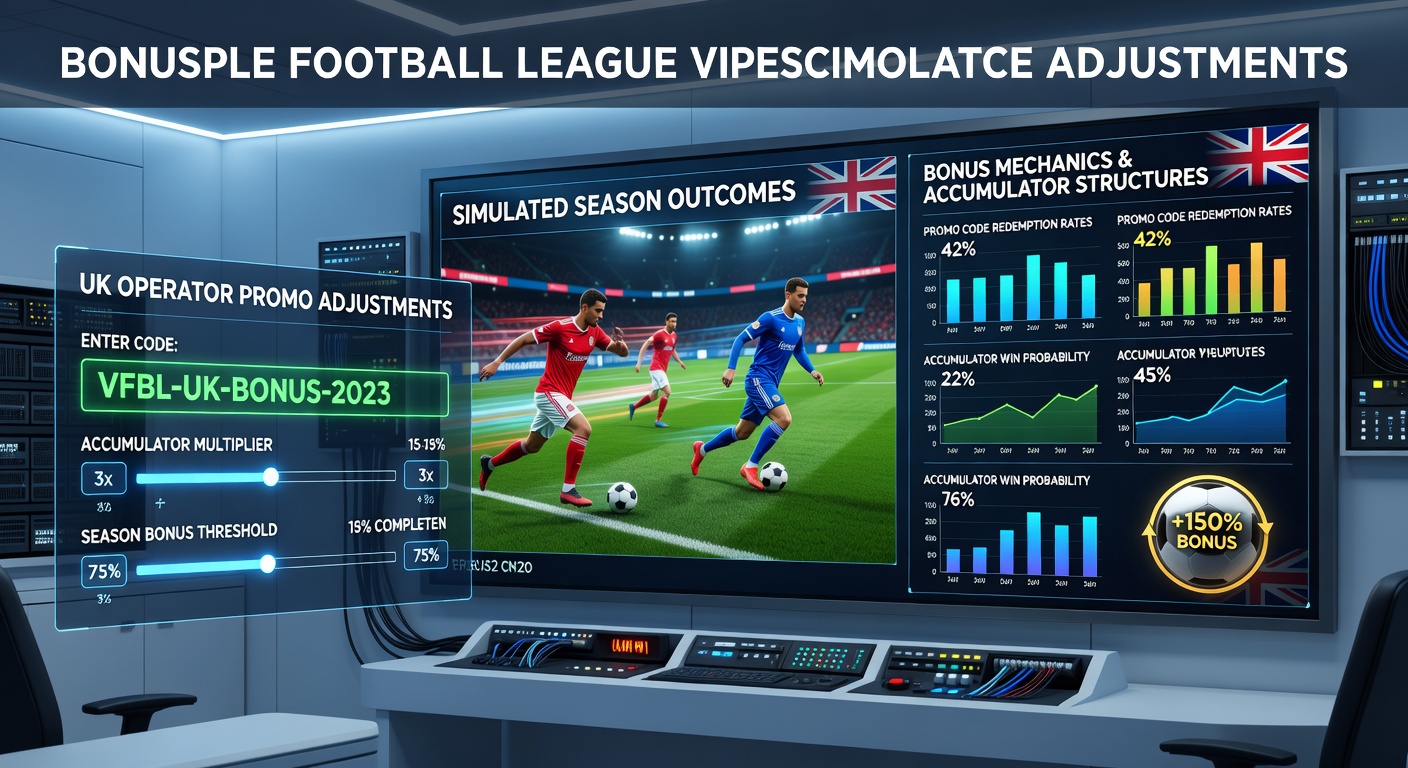
Exploring Bonus Mechanics in Virtual Football Leagues: How UK Operators Adjust Promo Codes and Accumulator Structures for Simulated Season Outcomes
Virtual football leagues operate on algorithmic simulations that generate matches every few minutes, creating nonstop betting opportunities for UK platforms throughout the calendar year, and operators have developed targeted systems to modify promo codes based on these rapid result cycles. These adjustments ensure that bonuses align with the unpredictable nature of simulated seasons where outcomes depend on coded parameters rather than real-world variables.
Promo code deployment follows patterns tied to league phases, with many sites refreshing codes weekly to match shifting team form ratings within the simulation engine. When a virtual season reaches its midpoint operators often introduce codes that boost returns on specific accumulator legs involving underdog selections, reflecting data patterns from previous simulated campaigns. This approach allows punters to stack entries while the system recalibrates risk exposure in real time.
Promo Code Calibration for Simulated Cycles
Operators monitor simulation algorithms closely to detect streaks in virtual team performances, then issue codes that extend free bet eligibility to accumulators crossing multiple simulated rounds. During May 2026 several platforms rolled out refreshed codes linked to the closing stages of major virtual leagues, where end-of-season fatigue factors influence coded player stats. These codes typically require minimum stake thresholds and cap the number of legs permitted in a single accumulator to maintain balanced liability.
What's interesting here involves how codes incorporate time-sensitive triggers tied directly to simulation timestamps, allowing automatic activation when certain match volumes are reached. Data from industry reports shows that such mechanics help distribute promotional value across broader user segments without concentrating payouts on early leaders in the virtual table.
Accumulator Structures and Outcome Adjustments
Accumulator formats in virtual football require operators to restructure payout multipliers according to simulated season variance, often shortening the maximum leg count during high-volatility periods when the algorithm produces frequent upsets. This restructuring prevents excessive exposure while still offering enhanced odds on carefully selected combinations that mirror historical simulation trends.
Platforms apply dynamic caps on accumulator bonuses once a virtual season enters its final simulated weeks, adjusting cash-out values to account for remaining fixture congestion. Observers note that these changes frequently appear in May when multiple leagues conclude their programmed calendars simultaneously, prompting operators to layer additional refund mechanics onto existing accumulator products.
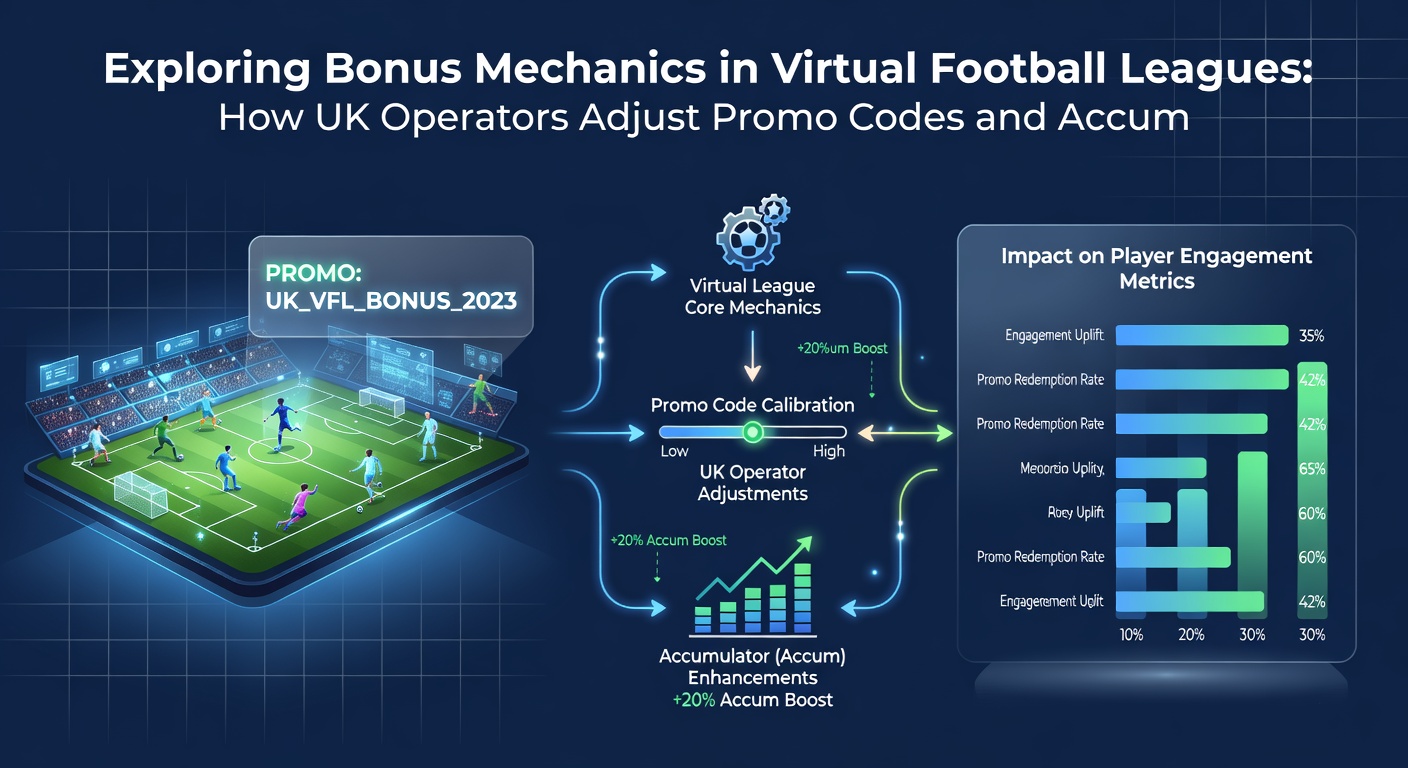
One study published by the University of Nevada Reno examined how virtual sports betting platforms adjust structural elements like leg limits and bonus multipliers to sustain engagement across extended simulation runs. The findings revealed consistent patterns where operators reduce accumulator depth during periods of high outcome clustering, which helps maintain user retention without inflating payout ratios beyond sustainable levels.
Regulatory Context and Industry Practices
European operators coordinate these adjustments within frameworks established by the European Gaming and Betting Association, which tracks promotional compliance across simulated sports verticals. Platforms document every code modification and accumulator tweak, ensuring transparency when virtual results deviate from expected probability distributions. Such record-keeping supports consistent application of terms across different simulated seasons and prevents disputes over bonus eligibility.
During the 2026 virtual campaign cycle operators introduced accumulator safeguards that activate automatically when simulation engines register unusual goal distributions. These safeguards often appear as partial stake refunds on losing legs, applied retroactively once the full set of matches completes its algorithmic run. The mechanism provides a buffer for punters navigating the final simulated rounds when title deciders and relegation battles intensify coded variables.
Conclusion
Virtual football leagues continue to evolve their bonus ecosystems as operators refine promo code timing and accumulator parameters to fit the unique rhythm of simulated seasons. These adaptations reflect ongoing efforts to balance promotional appeal with operational stability, particularly evident as the 2026 cycles reach their programmed conclusions in May. The resulting structures give bettors structured pathways to engage with continuous virtual action while operators maintain control over risk distribution across each simulated fixture list.