British Operators Adapt Loyalty Tiers to Virtual Football Leagues for Steady Reward Cycles
Vera Hansen · Jun 8, 2026
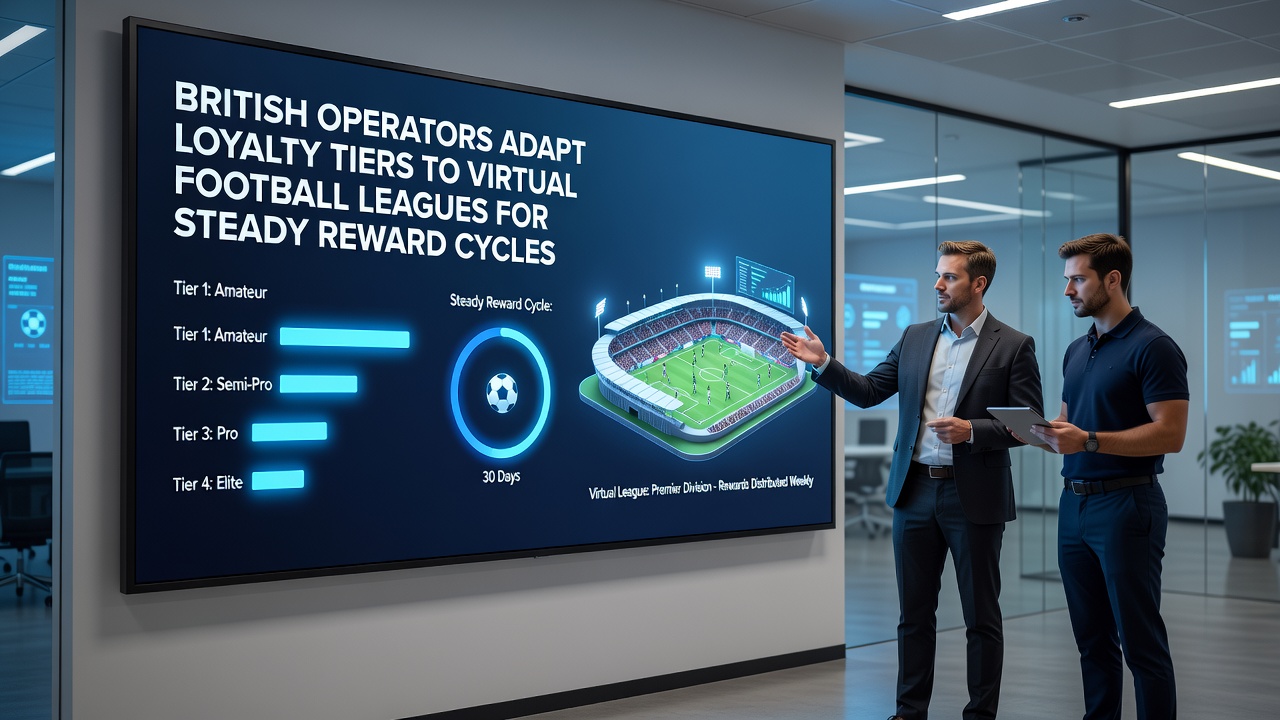
British Operators Adapt Loyalty Tiers to Virtual Football Leagues for Steady Reward Cycles
British betting platforms have started integrating virtual football leagues directly into their existing loyalty frameworks, which creates continuous point accumulation opportunities that align with the round-the-clock schedule of simulated matches. This shift addresses the seasonal gaps that traditionally interrupt reward cycles in real-world sports betting, since virtual competitions run every few minutes without breaks for off-seasons or international tournaments.Traditional Loyalty Structures and Their Limitations
Most British operators maintain tiered loyalty programs where customers earn points through real-money wagers on Premier League fixtures, Champions League ties, and domestic cups, yet these systems often stall during summer months or international breaks when major leagues pause. Data from industry analyses shows that engagement metrics drop notably during those intervals, prompting platforms to explore alternatives that maintain momentum regardless of external calendars.
Virtual football leagues, which feature algorithm-driven simulations of teams and players, operate on compressed timelines that repeat matches throughout the day and night. Observers note that this format allows operators to map loyalty points to bets placed on these events, thereby filling the downtime that previously disrupted tier progression for many users.
Integration Methods Across Major Platforms
Several leading British firms now assign dedicated multipliers to virtual football wagers within their loyalty schemes, which means points accrued from simulated matches contribute equally to tier advancement as those from live events. Some programs include separate leaderboards that track virtual-specific activity while still feeding into the overarching reward structure, ensuring participants advance through silver, gold, and platinum levels on a steadier basis.
Platforms achieve this by updating their backend systems to recognize virtual league identifiers in real time, so every completed simulation immediately registers toward cumulative totals. This technical adjustment supports the goal of uninterrupted reward cycles, since a customer can place wagers at any hour and see immediate progress reflected in their account dashboard.

Developments Observed in June 2026
By June 2026, several operators had expanded their virtual football offerings to include new league formats with additional teams and updated simulation engines, which further diversified the betting options available for loyalty point collection. Reports indicate that these enhancements coincided with refined tier thresholds that lowered the volume of virtual wagers required to reach intermediate levels, thereby accelerating reward distribution for moderate-volume participants.
Industry figures reveal that virtual football activity accounted for an increasing share of overall loyalty point generation during this period, which helped stabilize monthly engagement rates compared with previous years that relied solely on seasonal sports calendars. Operators achieved this balance by aligning virtual match schedules with promotional windows that offered bonus point opportunities during traditionally quiet periods.
Technical and Regulatory Considerations
Adapting loyalty systems requires precise synchronization between virtual event feeds and customer account databases to ensure accurate point allocation without delays or discrepancies. British platforms work with specialized software providers that supply both the simulation engines and the integration tools needed for seamless data flow into existing loyalty modules.
According to findings from the Netherlands Gambling Authority, consistent reward mechanisms across continuous product lines support sustained player activity while maintaining compliance with responsible gambling standards. Operators incorporate session reminders and spending caps that apply uniformly whether bets occur on virtual or real events, which maintains regulatory alignment across both categories.
Impact on Customer Behavior Patterns
Those who have examined platform analytics observe that customers using virtual football for tier progression tend to maintain more regular login patterns throughout the week rather than clustering activity around major real-match weekends. This distribution spreads point accumulation evenly, which reduces the pressure on any single event type to drive overall loyalty advancement.
Examples include programs where virtual league bets unlock exclusive tier benefits such as accelerated cashback rates or priority access to new simulation variants, creating additional incentives that reinforce steady participation. These layered rewards operate alongside standard point systems without replacing them, which preserves flexibility for users who prefer mixing virtual and traditional markets.
Conclusion
British operators continue refining their loyalty frameworks by embedding virtual football leagues as a core component that delivers consistent reward cycles year-round. This approach leverages the non-stop nature of simulated competitions to complement existing real-sports offerings, resulting in more predictable progression paths for participants. As virtual formats expand with new leagues and features, the integration methods are expected to evolve further while remaining anchored in the same principles of continuous point tracking and tier stability.